
On my father’s front door, a yellow sticky note tells visitors he is hard of hearing and to walk on in. I am surprised to discover people still knock; perhaps it is the prevailing Midwestern politeness, or his shaky handwriting is too indecipherable, or everyone ignores the sign altogether.
When people knock at the door and are not expecting anyone to answer it, because they are used to my father being constantly prone—he sleeps on and off every twenty minutes or so—it is amusing to see their surprise. My father clearly didn’t inform anyone I was coming, perhaps he didn’t believe I was coming at all, waited to believe it until he saw it for himself and by then it was too late to inform anyone of my arrival. They have no idea who the stranger at the door is until I explain, with words I’ve never spoken before, “I’m Lee’s daughter.”
After a bit of oh-ing and ah-ing, they relax and introduce themselves. Over the course of my visit, I meet several hospice nurses, volunteers from Meals on Wheels, my father’s former case counselor and a pastor who came by frequently to visit a man who doesn’t have a religious bone in his body but spins a lot of good yarns. Each one of them pulls me aside and tells me what a wonderful man my father is. He’s a favorite. He’s special. Everyone loves my father.
Unable to respond, unable to explain that this man who is in the process of dying is a stranger to me, I simply smile and nod at each of them.
As the people enter the small one-bedroom apartment’s living room and tell me things, my father who is quite hard of hearing is still oblivious in the bedroom about twenty feet away, possibly dozing or absentmindedly watching tv. He doesn’t register the guest until the face is in front of his own. His slackened face leaps into excitement as he welcomes whoever it is, no matter the person.
The one thing my father always gave freely and without concern is gladness. He spun the gladness into stories, twisted his words up with gladness, slap dashed you into being glad simply because he was glad. Whatever deep well this gladness came from was impossible to discern. I don’t know how he managed to constantly and persistently be brimming with something like gladness despite a myriad of reasons not to be, with illnesses so intense they figuratively strapped him into a bed, yet still he persisted in the gladness. I used to think it was from a long life of entertaining, of working the carnivals, he was a performer in some ways, but even when that life was far behind him and he was dying, he still had that effusive gladness.
Perhaps he liked being charming and charming others, being appreciated and appreciative of others. It didn’t matter if you were a stranger, you got the same great excitement he gave freely to anyone else in his scope, in fact it was better if you were a stranger, because he had turned so many strangers into fast friends. Strangers had treated him better than most of his family. Whatever it was and however it came about, the result was an irrepressible gladness.
I expect some shenanigans during my visit, and on the second day, when a pair of stocky nurses meet me at the door with blushing faces and apologies, I wonder what I might be in for. When they slip out of their coats, both are wearing large white t-shirts over their regular clothes, painted from the neck down with a cartoonish body in a polka-dot bikini.
“It’s a surprise for your dad,” one of them reveals, grinning.
The t-shirts are garish, grotesque and totally inappropriate.
“I’m sure he’ll love it,” I conspire.
We step carefully to the doorway of his bedroom, and I yell over the noise from the television and oxygen machine that some guests have arrived to see him.
“Oh yeah?” He says, a big grin lighting up his face. He unfurls his limbs and scoots himself up to a sitting position as the nurses wait by the door frame.
I sit at the end of the bed, in the supporting role of doting daughter. I pass him the edge of the sheet and watch as he slowly lifts it over his bony legs and arranges his hands in his lap expectantly. There is a tattoo on his bare arm of a devil that has lost its edges and bled like watercolor into blurriness on his papery skin. The nurses enter with giggles in their throats and greet him as Mr. Fugate. He greets them cheerfully, and is oblivious to their attire, focusing instead on their faces and manufacturing the gladness at seeing them.
There is something afoot, their faces betray the great joke and finally his eyes widen and the laughter starts up. It is a bellow at first and then a guttural, knee slapping good time, to the point where he has tears in his eyes.
When the hilarity subsides, the nurses explain the gag to me. “Whenever we leave Mr. Fugate, we always ask if there’s anything else we can do for him.”
My father gleefully nods in agreement, like a devoted mother at the school play who is mouthing all the lines while their child is onstage.
“He always says, ‘Yes, there is one thing you can do for me, actually.’”
They pause in exactly the spot where my father would have paused, and I can tell they’ve done this many times during his lengthy time in hospice care. He looks on with delight, encouragement holding up his maniacal grin.
They continue, “Then he says, ‘Can you wear a bikini next time?’”
The hilarity sparks up again and I laugh, not because it is funny, but because they are putting on this show partly for me and it would be cruel not to laugh.
“Well, we figured out a way to wear bikinis for you, Mr. Fugate!”
“Oh ladies that’s spectacular, I love it, just love it,” he chimes in.
“And look, they got the back as well!”
After a twirl and spin, they both lean in to give him hugs. I play my part and smile until they leave. At the door, they tell me all the things about my father, he is a favorite, he is a hoot and a half, he is one of a kind. And they add, he’s an ornery old man. I smile and nod. I nod because it is easier to say yes than it is to disagree. I say nothing because I know all these things and because I know I could never explain to them they hardly know him at all, they only know what he shows them. I nod because the man who is my father is dying, and I hardly know him either. I smile to hide my sadness.
When I meet the woman who was my father’s case worker during the time before, a couple years ago when my father was in hospice care and almost dying, when he lived in the awful apartment with three flights of stairs, which she helped him out of into this one-story apartment, I feel nothing but niceness from her. She is a cherubic woman with a kind heart. It does cross my mind that her visits as a friend seem odd, but I don’t think more of it, because I know my father enjoys making fast friends and having visitors. She tells me all the things everyone else tells me about my father as I nod, but she underlines what I saw the first day of my visit, as soon as I saw him lying in the hospital bed. She puts it a little gentler, maybe because she is a counselor, “He doesn’t have long to live.”
I don’t respond because I don’t know what to say to her. I know my father is dying, that death is circling his skeleton, that more oxygen and more rest won’t heal his lungs and limbs or help his heart. I escort her into my father’s bedroom, stepping carefully around the coils of oxygen tubing and past his battered walker. I visit with them for a while, then slink off to do the dishes that have been piling up in the sink.
I have been playing doting daughter for almost two full days, and I am tired. I sit on the couch scrolling on my phone until the woman who was my father’s former case counselor comes out. She tells me about how her son has struck up a friendship with my father and he listens as my daddy tells stories. They sit in front of the apartment, which was a roadside motel in the recent past, and sometimes he brings my father milkshakes from the Burger King down the road. I smile because I should be glad that my father has a friend and someone to talk to, but I don’t mean it, none of this feels real.
The last visitor is the most difficult for me, but I feel grateful for his presence, because he’s the only one who doesn’t seem to have any strange compulsion to visit my father other than his religious commitment. A former pastor, he is retired and spends time visiting people on the hospice circuit. He helps people unburden themselves of regrets and I wonder what my father has shared with him about his life. I like to think I know all the stories, but everyone has their secrets.
The pastor visits with my father while I slip away to prepare a few things in the kitchen. My father has asked me to make hard boiled eggs, and I start the water boiling as I make food for myself. The fridge is empty, except for bottles of condiments and missed Meals on Wheels containers. The nicely prepared meals, which arrive once a day, are stacked up in styrofoam containers in his fridge. He doesn’t eat much because he has no appetite from taking too many pills. I pull out one of the containers. My father’s name is on the outside and it says how old he is. It seems wild to think that my father looks like a hundred-year-old man and is dying, but according to the label, he is fifty-seven years old.
Inside is a pork chop glistening with condensation, accompanied by a perfectly rounded scoop of bland mashed potatoes in its own little cubby. Next to it is a pile of mixed veggies, which look limp and sad, reminding me of grade school lunches. No one wanted to eat the lima beans, but I didn’t mind them. Each meal arrives with a two-ounce container of dessert, this one was a strawberry shortcake, but even that didn’t appeal.
The timer for the eggs goes off and I cool them in a bowl in the sink. I peel the dozen eggs one by one, so they are ready to eat. The shards from the shells dig into my fingers and I appreciate feeling something outside of myself. I slide the eggs into a clear ziploc bag so my father can see them the next time he checks the fridge with hunger.
When the pastor is done visiting my father, he comes out to speak to me and I am prepared not to cry in front of this stranger. I’d been standing in the kitchen, taking small bites of my lunch, breathing and pushing it down, telling myself crying wasn’t an option. I walk the pastor to the door, hoping his departure will be quick. He looks into my eyes as he shakes my hand and tells me all the things about my father. My father is special, my father is one of a kind, and he adds, my father is an incredible storyteller. I nod. My smile is melting into a grimace. Then he prays for me, and his prayer somehow addresses everything in my mind, every shadow as well, which I realize must be what others have gone through, and I begin sobbing uncontrollably as he continues to pray.
Through tears and choking sobs I try to explain all the things about my father, that I’ve really only seen my father a handful of times, sure we’ve been close and chatted on the phone for years, but he’s essentially a stranger to me, and yet I love him. The words come out tangled up in tears and sobs. He understands somehow, perhaps because he has experienced this many times over. I begin to relax because even though I can’t articulate all the things I wish I could, I feel heard by someone who hears a lot. I feel forgiven by someone who knows God’s love, which is a kindness everyone should know at least once in their life.
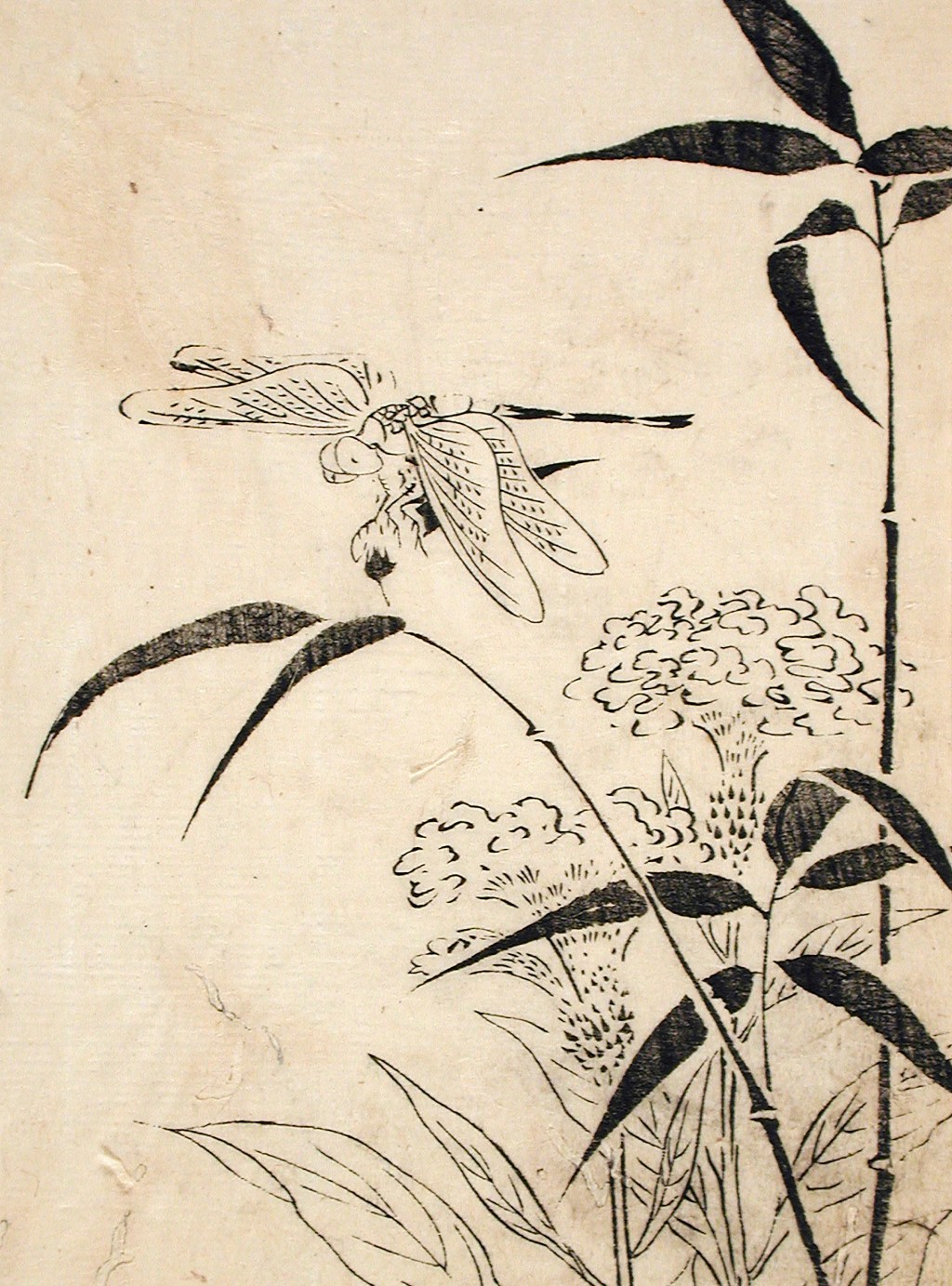
After the pastor leaves, I check in on my father. He is sleeping, curled up on his side, knees drawn up to his belly like a small child. I smile at this because I also sleep curled up on my side. I sit outside in the warming glow of the afternoon sunshine and call my friend Annie. As we chat, a dragonfly lazily circles over me. It is late March, early Spring, and it seems too early for dragonflies, but somehow, some way, my spirit animal has found me and come to tell me to lighten up and float on.
I have one more day left to be a good daughter, the daughter my father has never known but always wanted. I have one more day to spend with the father I hardly know.
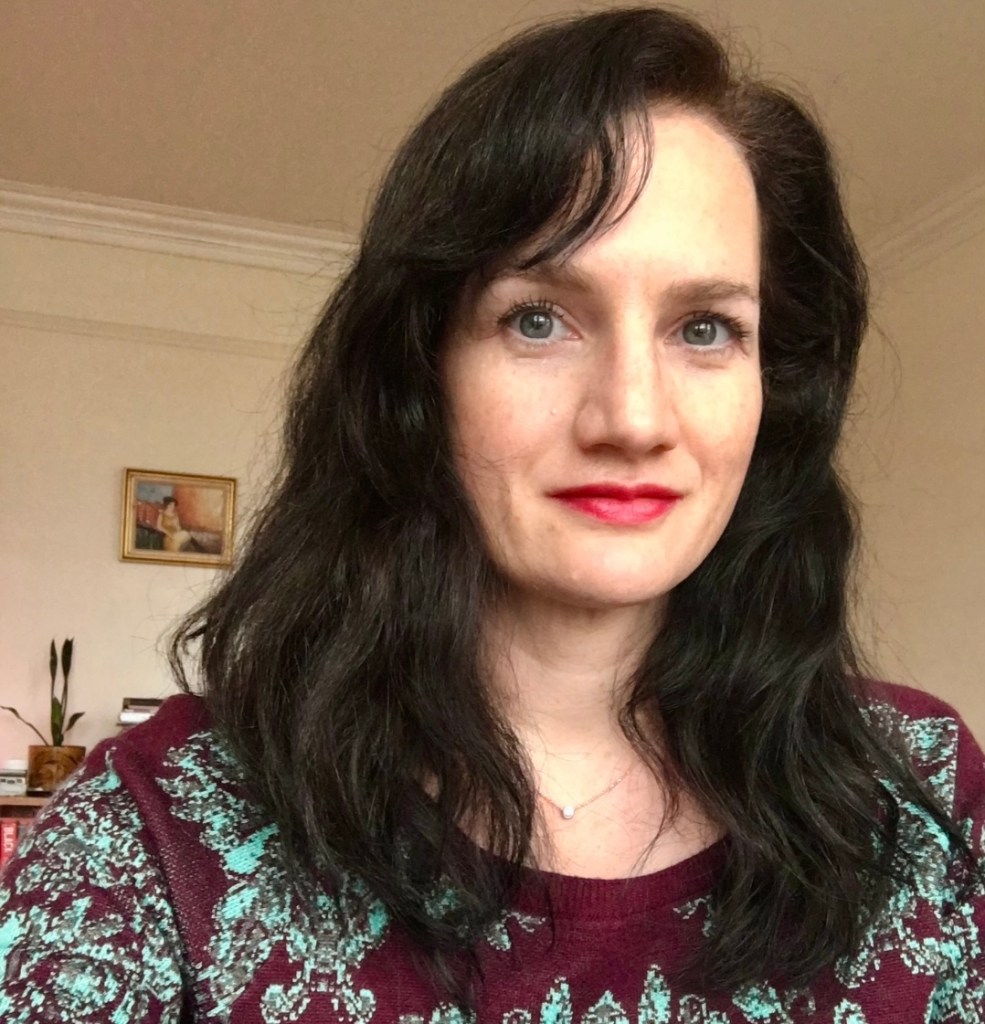
Christine Fugate is a Chicago native and graduate of the Story Workshop method in Fiction Writing from Columbia College Chicago. Her character-driven work explores complexities in relationships. She is currently completing a memoir about her father. Christine has been published in Hippocampus Magazine, Five Minutes, Chicago Sun-Times and Oprah.com. instagram: @malastine
 BarBar
Leave a Reply